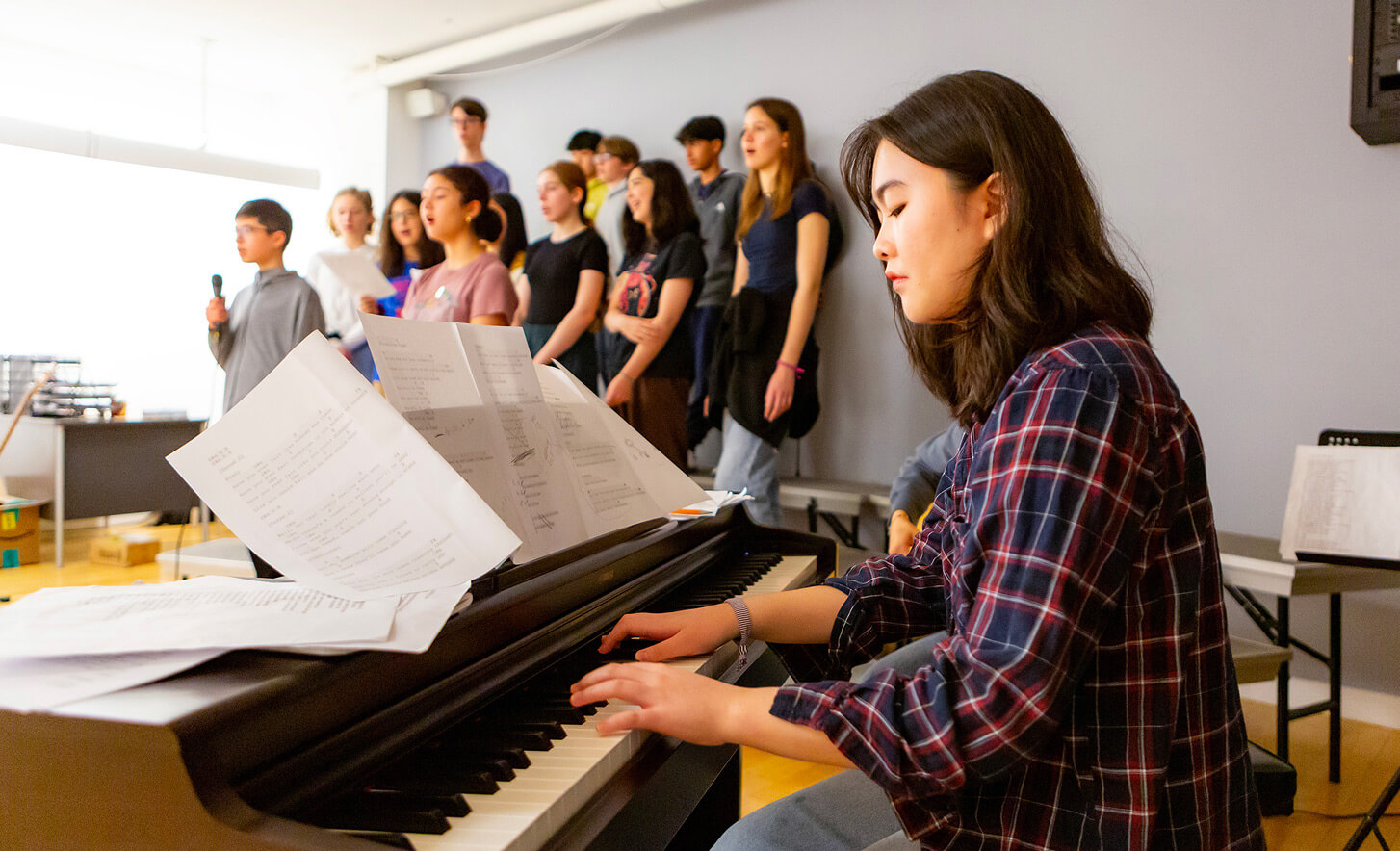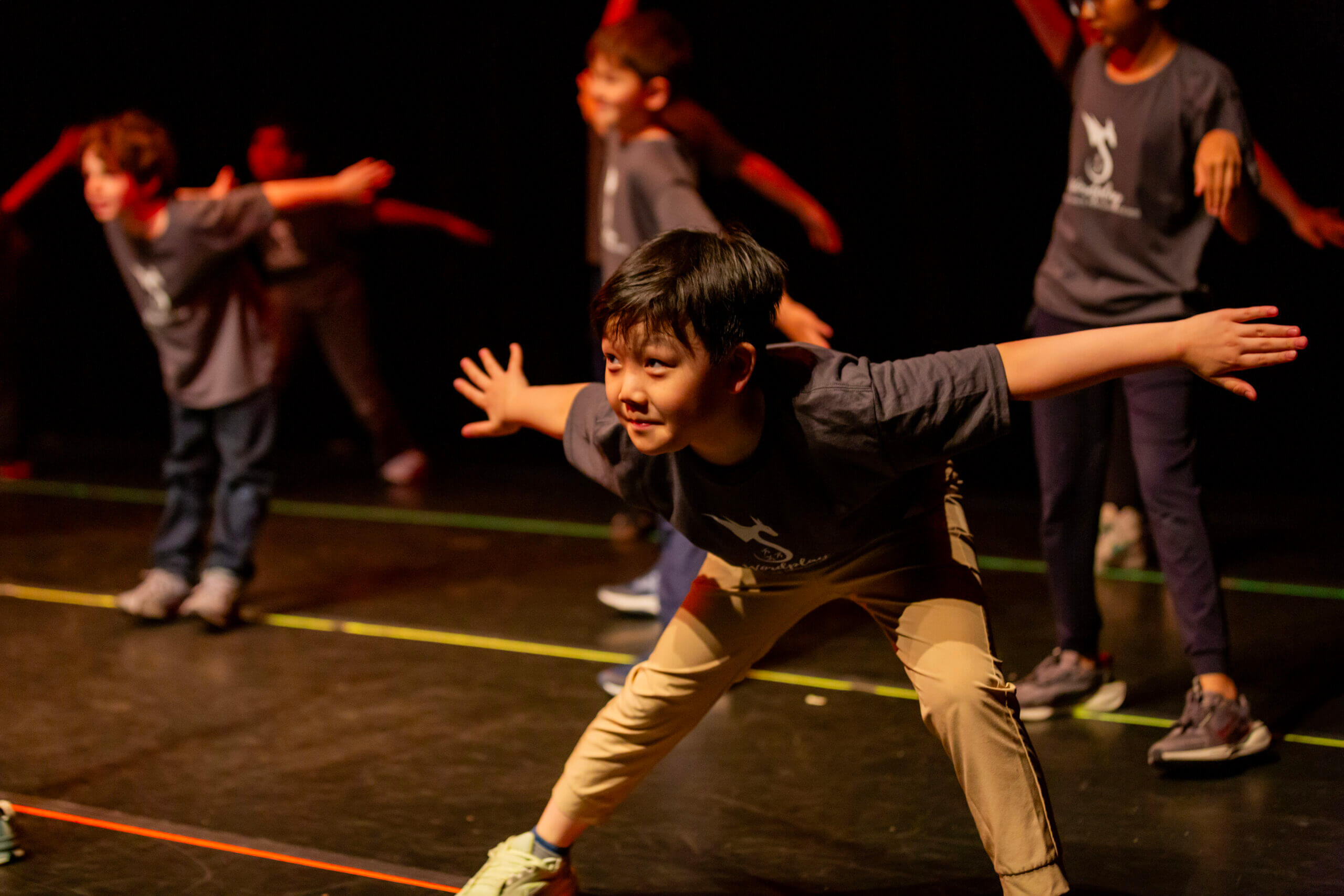

Art at Speyer is taught through a lens of inclusion and belonging, often tying back to the Humanities curriculum, focusing on contemporary working artists and an understanding of different artistic media, genres, styles, and periods.
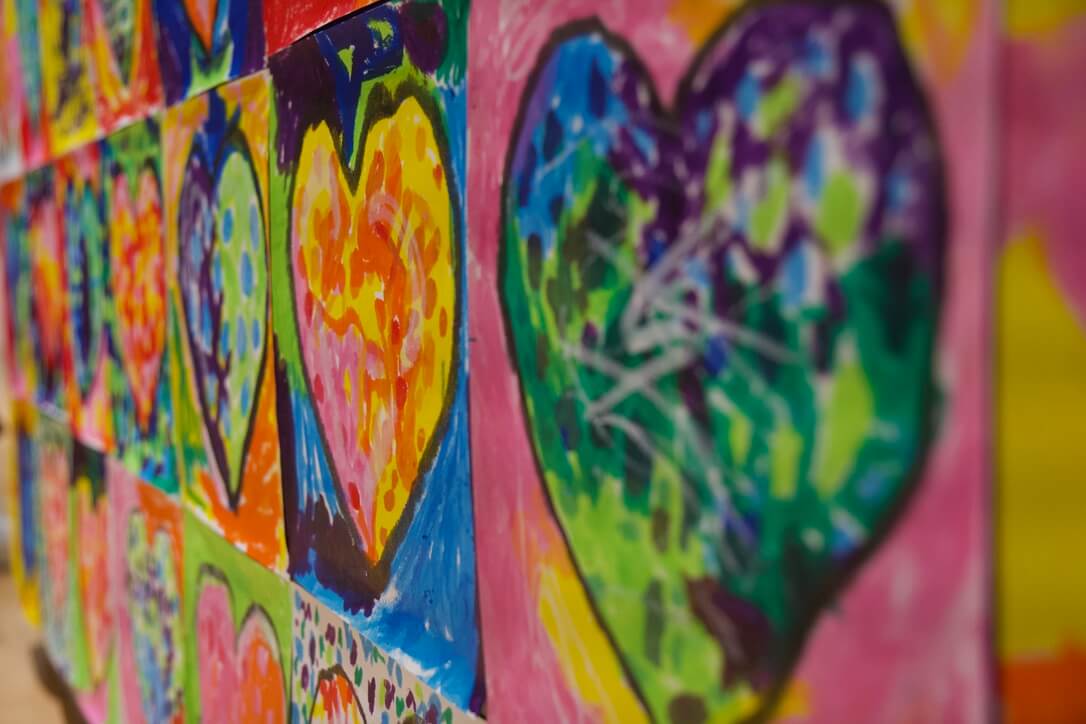
Art lessons incorporate storytelling, personal expression, and critical thinking, encouraging students to explore their own identities and the world around them.
Students explore a wide range of materials and processes, building confidence and creative problem-solving skills. They work with paint (tempera, watercolor, and acrylic), oil pastels, drawing tools (pencil, colored pencil, marker, and pen), 3D construction (paper sculpture, wooden shapes, and mixed-media assemblage), clay manipulation (air-dry clay, Model Magic, and basic handbuilding techniques), collage and printmaking, and embroidery and textile arts.
Utilizing the city as an extension of the classroom, regular visits to a range of museums such as The Metropolitan Museum of Art, Museum of Modern Art, American Museum of Natural History, New York Historical Society, and Museum of the City of New York, as well as architectural and graffiti tours further enhance an appreciation for the role art plays in creating meaning. Such field studies foster connections between the studio and the broader world of artistic experiences.
Our Lower School students are exposed to a wide concept of what art can be and who artists are, so that they can discover a range of art and see themselves as present-day artists. We believe Art should reflect individuality. As they grow through each grade, students explore a wide range of materials and processes, building confidence and creative problem-solving skills. In addition to their Art classes, Lower School students are able to enroll in afterschool offerings to explore their art passions including arts and crafts, knitting, pottery, and watercolor painting.
Our youngest Dragons dive into a myriad of art concepts and skills to hone not just artistic skills but also work fine motor skills and build hand muscles. Students explore painting using the three primary colors (red, yellow, and blue) and practice important studio habits such as holding a paintbrush correctly, washing brushes between colors, and experimenting with mixing paint on both their palettes and paper. As they tackle color mixing, printmaking, shape and composition, and embroidery, our Kindergarteners create wonderful pieces such as clay pots, embroidered art, and colorful collages inspired by artists such as Henri Matisse as well as books used in their Humanities units.
Speyer first graders spend the year exploring different artists and mediums. They create pixel-style mosaics based on the work of street artist Invader (known for his mosaics inspired by classic video games) as well as city collages based on the layered style of Romare Bearden (who used collages to tell stories of city life). As they experiment with printmaking and sculpture, our first graders study the work of Matisse and Wayne Thiebaud. To practice sequencing steps, strengthen fine motor skills, and develop patience, they also create basket-like textiles inspired by Ghanaian textiles.
Through a series of creative projects that connected to their Humanities lessons, Second Grade artists explore the history and art of Ancient Egypt. Students practice image transfer using the grid method to draw maps of Ancient Egypt, combining drawing, painting, and tactile design elements to bring the geography to life. To work on skills such as painting, observational drawing, and careful line and pattern work, they create drawings of beetles and pharaohs. As an experimentation with shape, color, and movement, students create their own sculpture and art pieces inspired by Dale Chihuly and Andy Warhol.
Our Third Grade artists delve further into artistic study. They explore how a single color can be transformed in multiple ways and learn how adding light and dark areas creates the illusion of volume. As they study the work of Georgia O’Keeffe and Paul Klee, they practice observation, composition, and color contrast as well as work together on a grade-wide collaborative watercolor project. Finally, our Third Grade artists create imaginative mask drawings inspired by the expressive ceramic masks of Kimmy Cantrell, known for their bold colors, asymmetrical shapes, and playful patterns.
In two connected art projects inspired by the paintings of Wayne Thiebaud, Fourth Grade students learn how artists move from drawing simple shapes to creating form and examine how to construct and show depth and dimension. The Fourth Grade artists create their own cake drawings and then recreate the missing slice from their drawing as a three-dimensional sculpture. Fourth Grade artists also explore the beauty of geometric patterns in Islamic art, focusing on designs that use radial symmetry, examining how repeating shapes and lines can radiate from a central point to create balanced and intricate compositions. Students also practice observation, shading, and color theory as well as study how background color can affect the mood and depth of a work of art.
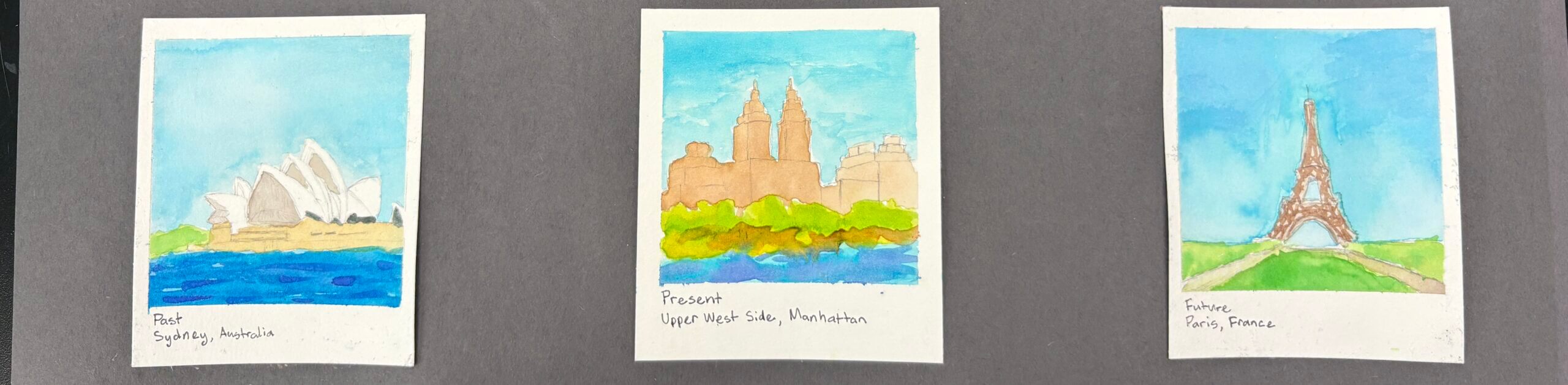
In Middle School, our Art curriculum is deeply interdisciplinary, weaving together art history, studio practice, and meaningful collaboration across departments. Students explore how culture, history, science, and creative expression inform one another, developing both technical skill and intellectual curiosity. Throughout Middle School, students work across an expansive range of materials and techniques, including technical drawing, printmaking, intaglio etching, painting, 3D design, clay, and inks to name a few. By experimenting with diverse media and studying global artistic traditions, students learn not only how to make art, but how to think critically about its role in shaping societies past and present.
In addition to these technical skills, students engage in thoughtful revision, developing their confidence in discussing their artistic choices. They are learning to articulate their process and ideas clearly, using the language of art to analyze and reflect on their work. Our program nurtures thoughtful, confident creators who understand that art is not created in isolation; it is a dynamic reflection of history, innovation, and human experience.
Fifth Grade Art and Art History explores the development of art styles and techniques across key historical periods, helping students understand how major art movements reflect the society of that moment in time. So far, students work on several engaging projects to develop their skills in drawing and visual storytelling. The Prehistoric Cave Art Project, in conjunction with the Early Humans unit in Humanities, introduced students to early forms of artistic expression, where they explored texture, pattern, and storytelling through their own cave art designs. The Perspective Graffiti Project allows students to experiment with creating bold, three-dimensional artwork using perspective techniques. By learning to apply concepts like vanishing points and horizon lines, students created dynamic, visually compelling graffiti art that emphasized depth and space.
Along with developing their technical skills in shading, value, and design strategies, students increase their art-specific vocabulary. Students discuss and critique their work, allowing students to analyze and express their creative choices with clarity and confidence.
Sixth Grade Art and Art History explores the development of art styles and techniques from the Byzantine Empire to the present day, focusing on key historical periods and their societal influences. In the Sketchbook Design and Tim Burton Character Design projects, students learned how to organize their ideas, create balanced compositions, and apply design principles and are challenged to explore value, proportion, and imaginative character creation. The Modern Icon Project, stemming from their Byzantine Empire art history unit and in conjunction with the Byzantine Empire unit in Humanities, allows students to choose a modern day icon that inspires them, then reinterpret it with their own style, honing their skills in symbolism and color theory to create detailed, layered images.
Seventh Grade explores the development of art styles and techniques from early medieval times to the present. They begin with an immersive unit as part of the Morgan Book Project, creating their own illuminated medieval manuscript using traditional materials and techniques. This experiential project provides a comprehensive understanding of the time, effort, and skill required to craft these historical treasures. Through this process, they engage with the concept development phase of design thinking, sketching and refining their ideas before moving to execution, ensuring each detail aligns with their artistic vision. The seventh graders then explore the art of stained glass — planning, designing, and creating their own stained glass pieces using various mediums.
Eighth Grade artists explore the evolution of art styles and techniques from the invention of the printing press to the present day, examining how art reflects and responds to cultural, societal, and technological changes. Students embark on a Reduction Linoleum Block Printing unit, where they develop key technical skills including shading, proportion, and the application of design principles. This printmaking unit challenged students to experiment with layering, carving, and cutting techniques, allowing them to create depth, texture, and contrast in their work. Inspired by the styles of Rembrandt and Lucian Freud, they explore Intaglio etching, creating self-portraits. Each Eighth Grade class ends their Studio Art study at Speyer with an intensive, collaborative art project, which then is permanently displayed at Speyer.