
Speyer’s Chess program is designed to foster higher level thinking skills such as pattern recognition, spatial visualization, analysis, strategic planning, and problem solving.
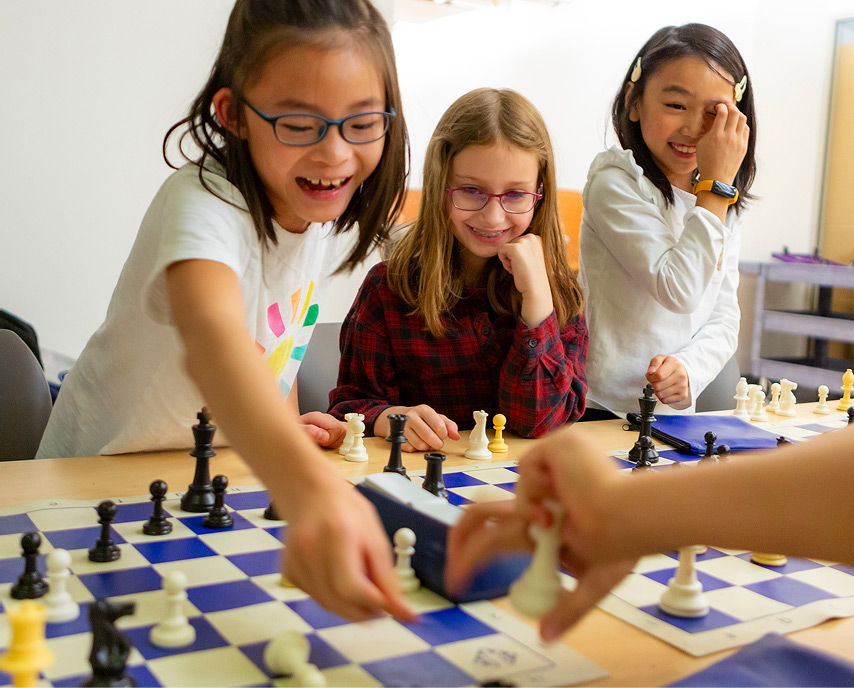
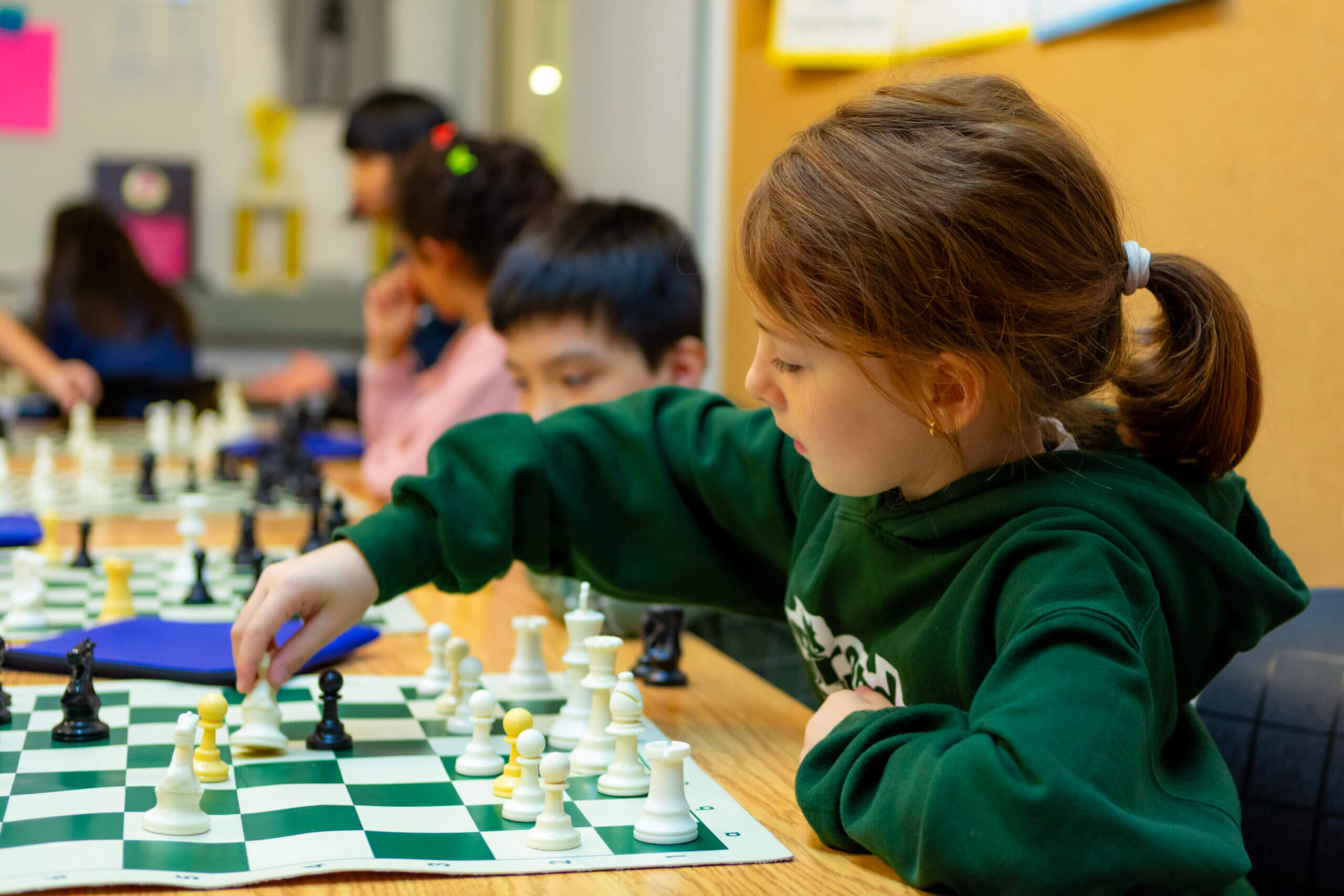
Lower School students take Chess two times per six-day cycle as part of their core curriculum and Chess classes follow three formats. First, they have classes dedicated to game analysis where the teacher leads a discussion of a chess game (both games of Masters and games of students are covered). They also have classes concentrated on chess tactical studies, where students work at their own pace through the “Chess Steps Curriculum.” Finally, there are classes where gameplay is the focus; those in-class games are sometimes notated and used for analysis sessions. Students can also enroll in afterschool classes through INspeyerED Afterschool as well as participate in rated tournaments (every Friday) and weekends (Speyer hosts tournaments at Speyer twice per year, which are open to other schools).
For Middle School students, a Chess Elective is offered each semester, which meets twice per six-day cycle and is open to all levels. Students also have two afterschool opportunities to stretch their Chess skills: they can participate in classes taught by a titled player (currently one FIDE master (FM) and one National Master (NM)); and they also have the opportunity to mentor Lower School chess players (note: both of these afterschool programs require previous tournament experience).
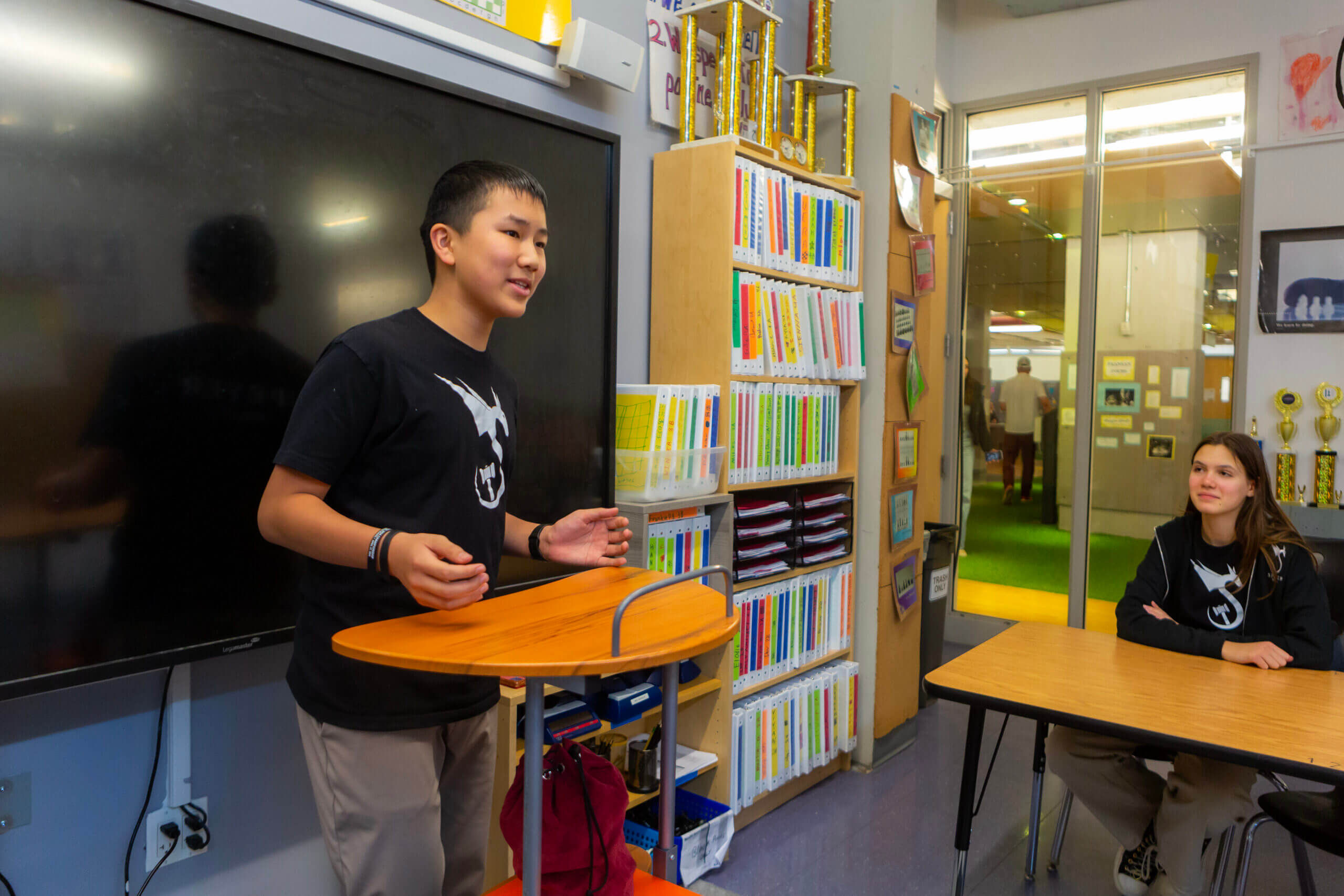
Speyer has many Lower and Middle School students who attend local tournaments individually, and the Speyer Chess Team successfully competes at the local and national level — Speyer has won more than 50 national titles since 2010. We also have won championships at the city and state levels and have students who compete individually at world chess events. Fun Fact: in 2018, Speyer’s K-6 Chess team won the trifecta of championships and was crowned the city, state, and national champions. GO DRAGONS! 🙂
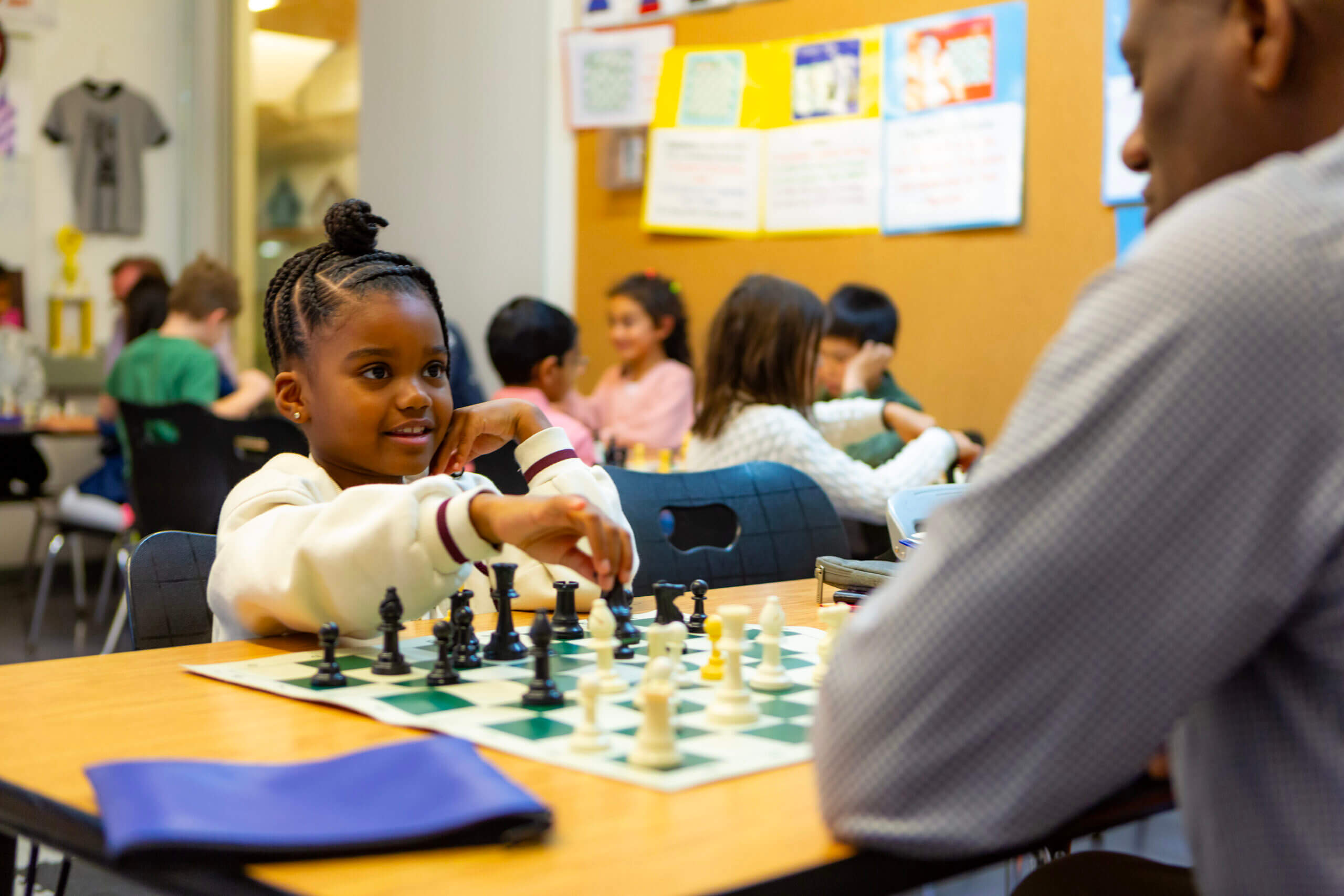
The Speyer Chess program is built on the seven pillars below and accommodates both the beginning player as well as those aspiring grand masters.
Engaged learning is key to classroom pedagogy both in school and when playing at home.
Students play chess often during class time and learn in a student-centered way.
In addition to playing chess, much class time is spent with students engaged in chess study: developing tactical awareness and pattern recognition, and analyzing the games of chess masters and chess students.
Speyer encourages students to participate in local, state, and national competitions, and the school will provide coaching at these events. We also encourage kids to play at home with their family and friends and to use the internet to study and play chess as well.
Being a good teammate is about more than scoring points for your team. We encourage our players to pursue individual excellence while also being an excellent teammate.
Accept losing as part of competing and a key component of learning. Always acknowledge the effort of your opponent. In this regard, Speyer takes up Susan Polgar’s lifelong motto: “Win with grace, lose with dignity.”
While teachers play a vital role, family support is essential. Speyer’s Parent Chess Committee supports Speyer by working closely with Speyer chess faculty and helping other parents navigate the vast world of chess outside of Speyer.